Discover why peptide performance—not just peptide presence—matters
The aging of skin is influenced by many factors, including UV exposure, glycolic and retinoic acids, and other external stressors that can trigger inflammation.
Inflammation is a key contributor to dermal aging. Over time, it weakens the skin’s extracellular matrix – its supportive scaffolding – causing the skin to lose integrity and show visible signs of premature aging, including wrinkles, loss of volume and elasticity, and age spots.
The good news is that well-chosen ingredients can help skin look healthier, smoother, and more radiant. Among the most versatile and widely recognized ingredients in advanced skincare products are peptides, but what are they, and why are they important?
A Closer Look
Peptides are small chains of amino acids linked by chemical bonds. As these chains lengthen, they become proteins. In skincare, peptides are prized for their ability to support and elevate the skin’s natural functions.
Because amino acids are the essential building blocks of proteins, peptides are often spoken of in the same distinguished context.

Peptides are prized in modern skincare for their ability to support many of skin’s natural biological functions. They do this by encouraging production of proteins like collagen and elastin. Peptides also play a wider role in biological activity including immune response, hormone signaling, cell motility – and most importantly, cell signaling.
Think of peptides as intelligent messengers which optimize skin functions. When peptides are formulated into skin care products, they send unique signals to initiate a very specific response. Skin cells are continually turning over, and it is vital to have peptides on hand 24/7 to initiate, build, and sustain healthy skin. However, the quality and quantity of peptides is crucial for real results.
Understanding How Cells Communicate
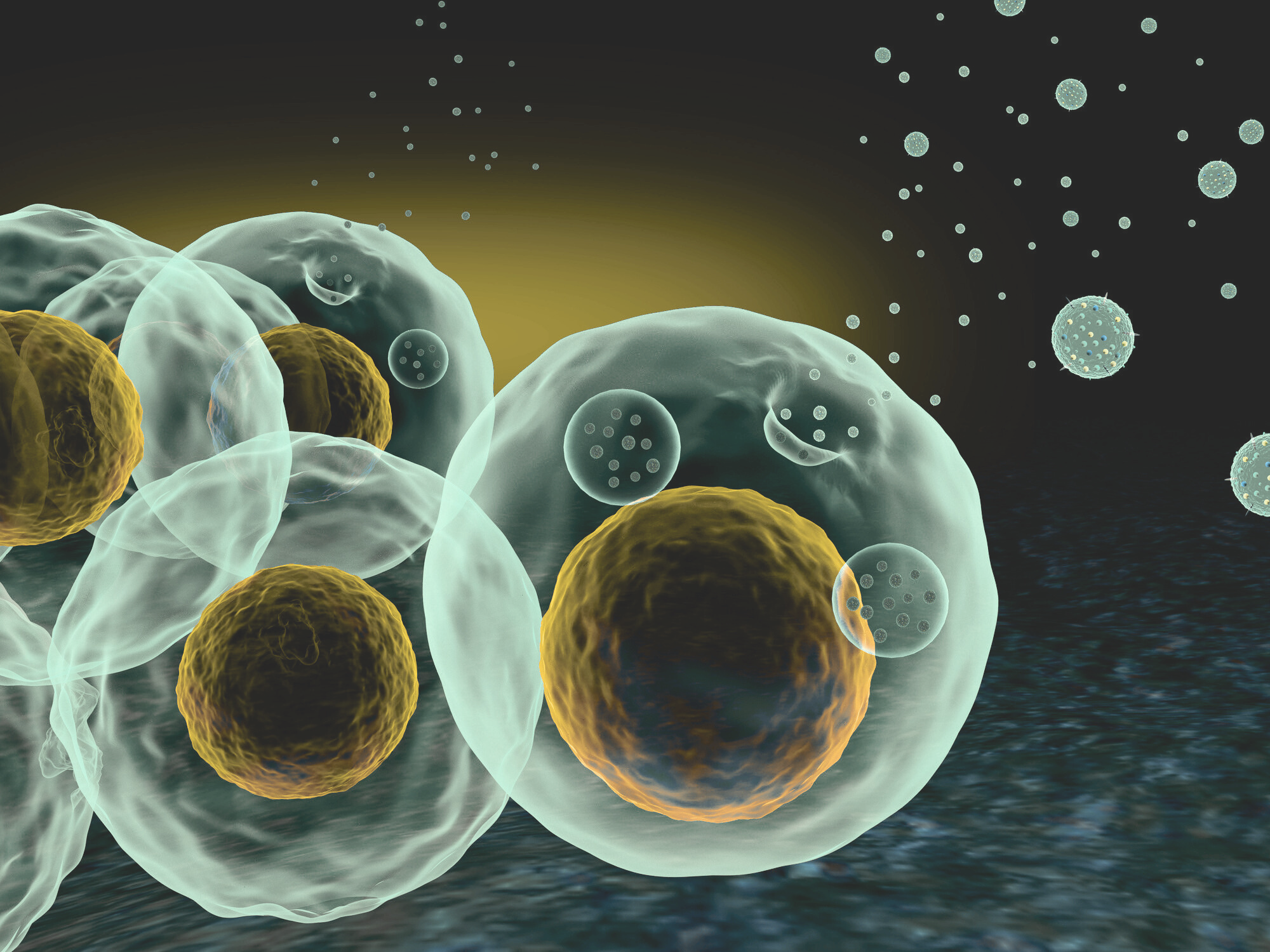
Skin cells are constantly communicating in their environment through signals that affect how the skin looks and functions. Think of each cell as having specific receptors, like tiny locks, and peptides as the keys that activate them. Different peptides can trigger different responses, such as supporting collagen and elastin production, calming inflammation, helping repair UV-related damage, reducing collagen breakdown, limiting excess melanin, and improving overall cellular performance.

Peptides have become a cornerstone of luxury skincare because they provide targeted, multi-dimensional support. Still, meaningful results depend on the quality, concentration, and effectiveness of the peptides used. With many mass-produced products, we find that the quality and concentration levels of peptides are poor and insufficient in delivering results.

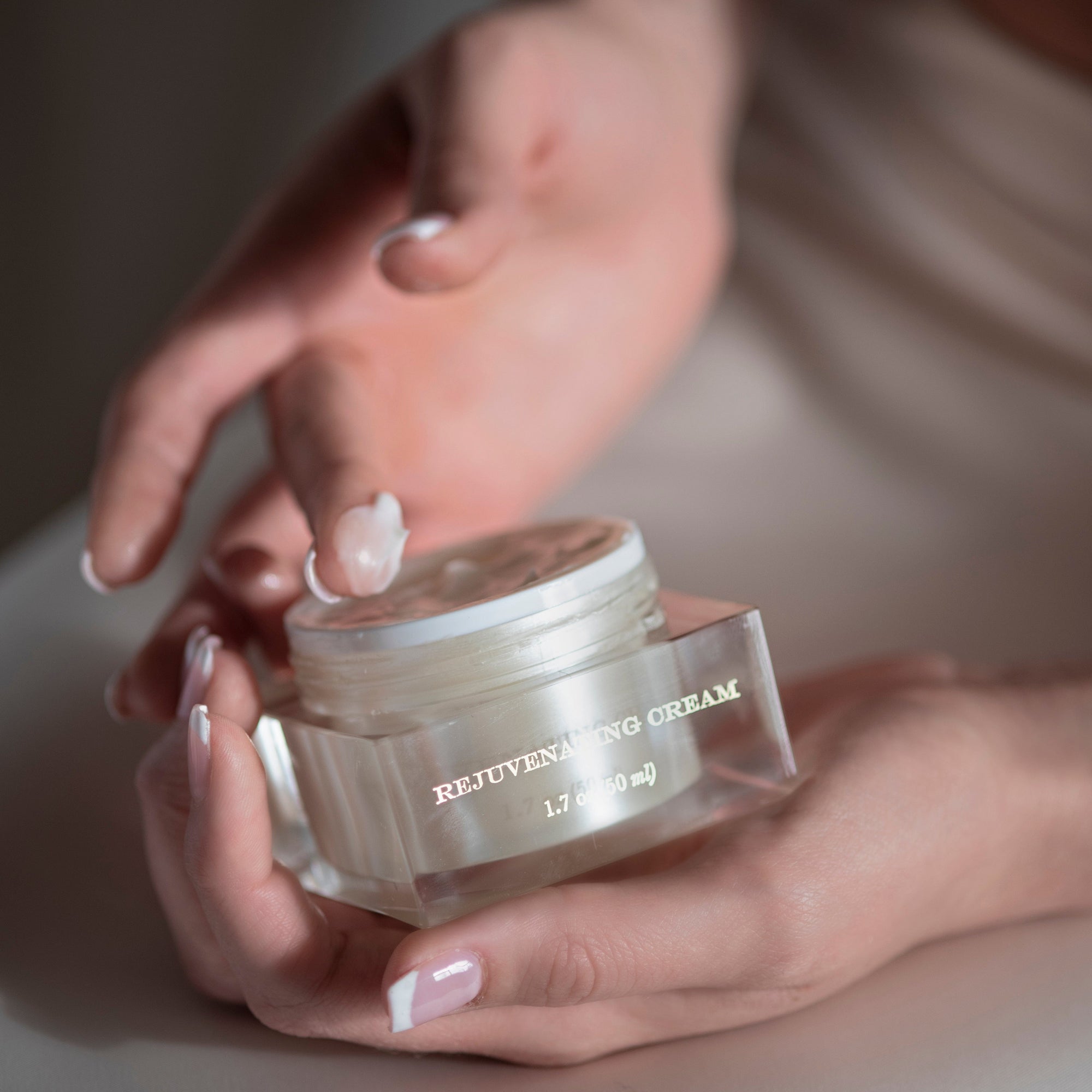
At the heart of Sapelo Skin Care’s Rejuvenating Cream is a curated blend of six bioactive peptides designed to support firmness, smoothness, and renewal. We formulate with the highest percentage of each peptide that is clinically tested for most favorable outcomes. Learn more about the science behind our formulations and discover why peptide performance—not just peptide presence—matters.